
Surfaces Built to Hold Water and Heat
Hot Tub & Spa Repair in Springfield & St. Louis serving the surrounding area for cracks, chips, surface damage, and cosmetic defects caused by impact, age, and weather exposure
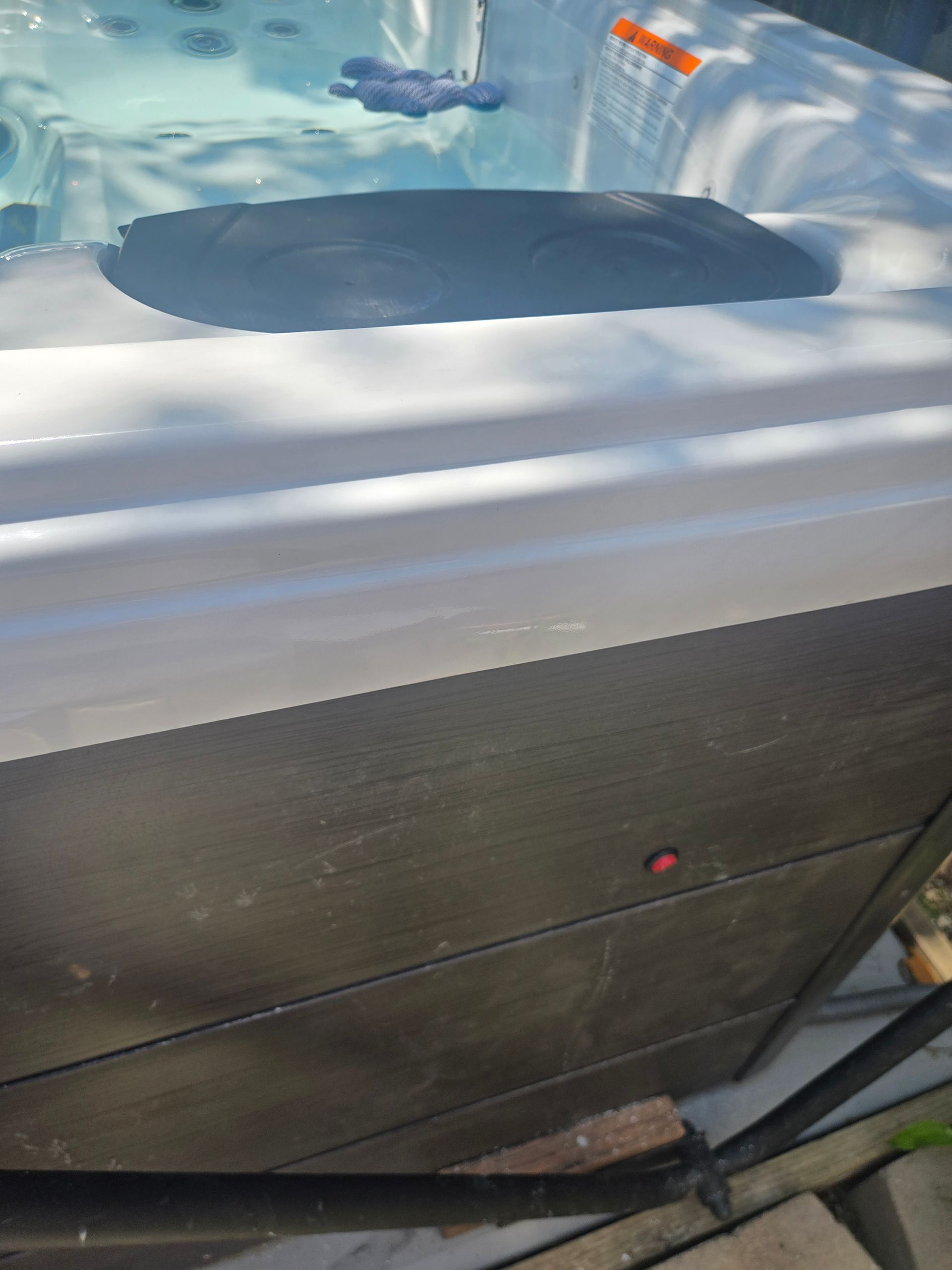
Hot tub shells crack along stress points where the structure flexes or settles unevenly, chips form where objects strike the edge or interior surfaces, and finishes fade or roughen from constant exposure to heated water, chemicals, and ultraviolet light. Tub Boys restores these surfaces without replacing the entire spa, which preserves the plumbing, jets, and equipment that remain functional. Matching existing colors and finishes ensures the repair blends seamlessly rather than standing out as an obvious patch on a high-visibility outdoor feature.
Repair work involves draining the spa, cleaning and preparing the damaged area, applying bonding agents formulated for acrylic or fiberglass shells, and rebuilding the surface with materials that withstand heat and chemical exposure. The process addresses both the visible defect and the underlying cause, whether that involves impact damage, structural movement, or material degradation from years of use.
Schedule a hot tub or spa inspection to evaluate the extent of damage and determine which restoration methods will extend the lifespan of your equipment.
What You Notice Once Hot Tub Repair Is Finished
Surface repairs on hot tubs require materials that hold up under conditions that would break down standard bathtub compounds, including water temperatures above 100 degrees, chlorine or bromine concentrations that break down weaker resins, and freeze-thaw cycles in climates where spas sit outdoors year-round. The bonding systems used must maintain adhesion when the shell expands from heat and contracts during cool-down, and the finish must resist staining from the oils, lotions, and minerals that accumulate faster in hot water than in standard bathing environments.
After the repair cures and the spa refills, you see a smooth, uniform surface where cracks and chips previously interrupted the finish, and the repaired areas hold their color without fading or yellowing faster than the surrounding shell. The surface feels smooth to the touch rather than rough or splintered, which prevents fabric snags and makes the spa more comfortable to use. Water no longer seeps into cracks that could expand over time, and the shell maintains its structural integrity under the pressure of filled water and the weight of occupants.
Repair work addresses surface-level damage but does not fix leaks caused by failed plumbing connections, cracked equipment housings, or separation between the shell and the underlying support structure. If water loss continues after surface repairs, the leak likely originates from a source that requires inspection of the plumbing system or the spa cabinet.
Questions Before Starting Your Project
Spa owners evaluating repair options often want to know how the process compares to replacement and what results to expect from restored surfaces.
What types of hot tub damage can be repaired without replacing the shell?
Localized cracks that haven't spread across large sections of the spa, chips along the seating areas or edges, surface scratches from abrasive cleaning, and faded or discolored finishes can typically be restored if the shell retains its structural shape and the damage hasn't compromised the waterproof integrity.
How does weather in Southwest Missouri affect outdoor spa surfaces?
Freeze-thaw cycles cause water trapped in cracks to expand and contract, which widens the damage over time, and UV exposure from intense summer sun breaks down the protective gel coat on acrylic shells, leaving the surface vulnerable to staining and roughness that accelerates further deterioration if not addressed.
Why do hot tub shells crack more often around jets or seating areas?
These areas concentrate stress because the shell is thinner where molded features like jets and seats create contours, and when the spa loses support underneath due to settling ground or deteriorated cabinet framing, those thin sections flex beyond their design limits and eventually fracture.
When should I repair a hot tub instead of shopping for a new spa?
Repair makes sense when the equipment, plumbing, and heating system still function properly and the damage is limited to the shell surface rather than involving structural failures, cabinet rot, or equipment breakdowns that would require extensive replacement regardless of shell condition.
How long does a repaired hot tub surface hold up under continuous use?
Properly executed repairs using heat- and chemical-resistant materials last for years in residential settings, though longevity depends on maintaining balanced water chemistry, keeping the spa covered when not in use to reduce UV exposure, and avoiding impacts that would damage any spa surface regardless of whether it has been repaired.
Tub Boys inspects the spa shell and supporting structure to identify all damaged areas and explain which repair methods will deliver lasting results. Reach out to arrange an assessment of your hot tub and receive a restoration plan based on the specific condition of your equipment.