
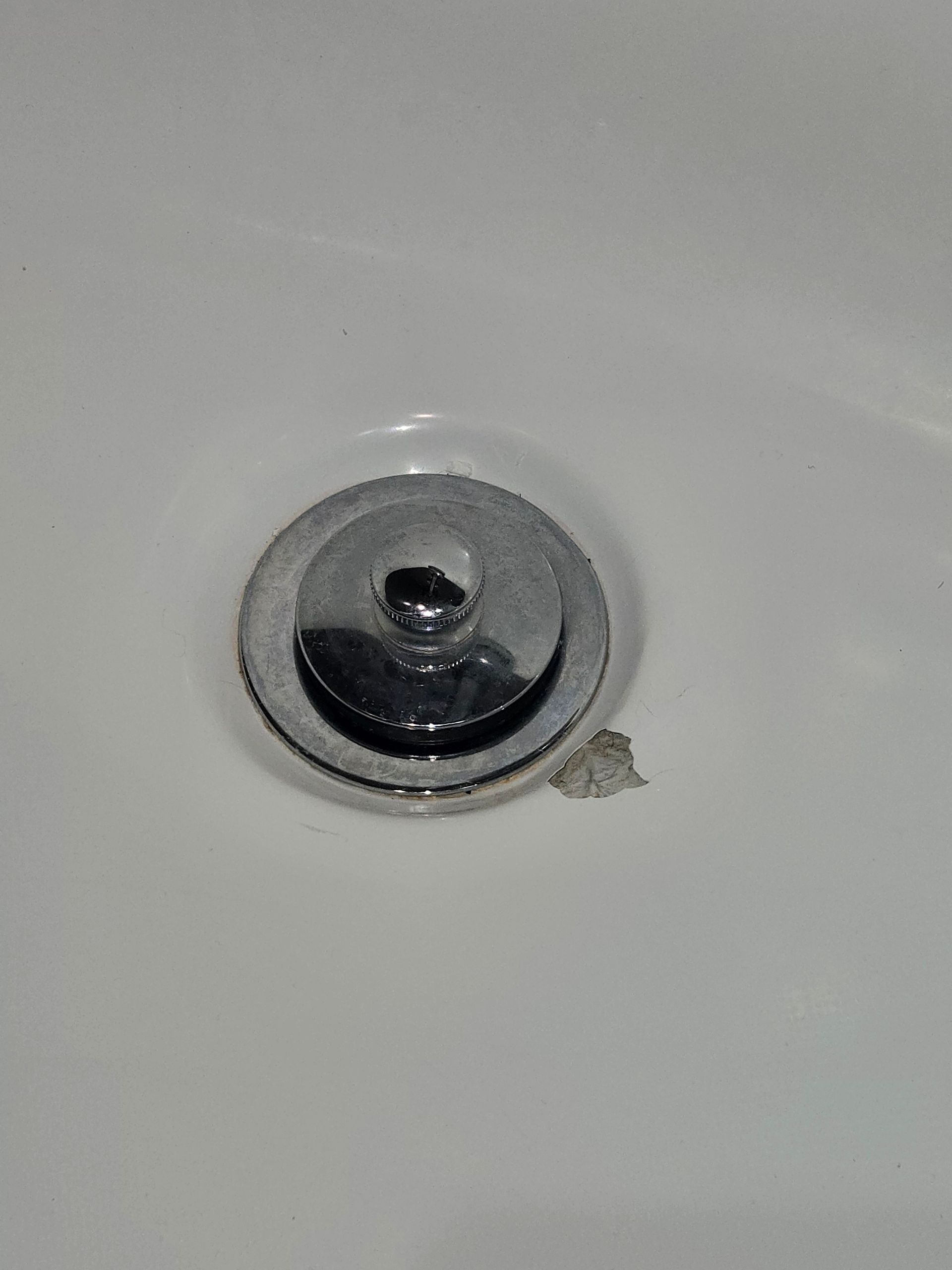
Damage That Doesn't Require Full Replacement
Bathtub Repair in Springfield & St. Louis serving the surrounding cities for cracks, chips, scratches, and impact damage that compromise appearance
A dropped shampoo bottle can easily crack the tub floor, construction work often leaves unsightly scratches across the sidewall, and years of regular use can wear through the finish, exposing the underlayer beneath. Tub Boys specializes in restoring fiberglass, acrylic, and other bathtub materials without the need to remove the fixture or tear out tile. Our repair work is designed to preserve the existing installation while effectively addressing visible damage that can make your tub look worn, dated, or even unusable.
The restoration process involves thorough surface preparation, the application of bonding agents that are specifically matched to the material type, and the use of color-matched compounds that rebuild damaged areas seamlessly. Chips are meticulously filled and blended into the surrounding surface to ensure an invisible repair; cracks are carefully stabilized and sealed to prevent any water intrusion, and scratches are skillfully resurfaced to restore a smooth, shiny finish. This comprehensive approach not only costs a fraction of a full replacement but also circumvents the additional expenses associated with plumbing adjustments, tile work, and disposal fees that are typically involved when installing a new tub.
If you're concerned about the condition of your bathtub, we invite you to request an inspection and repair estimate. This will allow us to assess the state of your tub thoroughly and determine which restoration methods will yield the most effective and lasting results. Our goal is to bring your bathtub back to life, enhancing both its appearance and functionality for years to come.
What Proper Bathtub Restoration Requires
Repair quality depends on correctly identifying the bathtub material and matching the bonding system to that surface. Fiberglass requires different preparation and resins than acrylic, and older porcelain-coated steel tubs need specialized epoxy systems that adhere to metal substrates. The repair compound must also match the existing color, which means mixing pigments on-site rather than relying on standard white or almond shades that rarely align with aged finishes.
After the repair cures, the tub looks uniform across the damaged area, with no visible seam or texture difference between the original surface and the restored section. Water no longer seeps into cracks or collects in chipped areas, and the finish holds up to daily cleaning without peeling or discoloring. You see a tub that looks intact rather than one marked by obvious damage or patchwork repairs.
Repair work does not fix structural issues beneath the tub, such as rotted subfloors or broken support frames. If the tub flexes underfoot or water has damaged the surrounding structure, those conditions need separate attention before surface repair will hold reliably over time.
What Homeowners Usually Ask
These questions come up frequently when property owners evaluate whether to repair or replace damaged bathtubs.
What types of damage can be repaired instead of replaced?
Cracks shorter than a few inches, chips that haven't penetrated through multiple layers, surface scratches, and impact damage from dropped objects can typically be restored if the underlying structure remains sound and the tub doesn't flex or shift during use.
How long does a bathtub repair last?
Properly bonded repairs hold up for years under normal residential use, though longevity depends on the severity of the original damage, the quality of surface preparation, and whether the tub continues to receive adequate support from the subfloor and framing.
Why does color matching matter for bathtub repairs?
Bathtubs fade and discolor over time due to cleaning products, hard water minerals, and UV exposure, so a repair that matches the original factory color will stand out against the aged surrounding surface unless pigments are custom-mixed to blend with the current shade.
When should I repair a bathtub rather than replace it?
Repair makes sense when the damage is localized, the rest of the tub remains in good condition, and you want to avoid the cost and disruption of removing tile, disconnecting plumbing, and hauling out a heavy fixture, which often requires cutting the old tub into pieces.
How do repairs work on older fiberglass tubs common in Southwest Missouri homes?
Fiberglass repairs involve cleaning the damaged area down to stable material, applying a catalyzed resin that bonds chemically to the existing surface, and then sanding and polishing the patch to match the original gel coat texture, which restores both appearance and water resistance.
Tub Boys evaluates damage in person to determine whether repair will deliver the results you need or whether the condition of the tub requires a different solution. Schedule a damage assessment to review your bathtub and receive a detailed repair plan based on what the inspection reveals.